
Do You Need to Seal Grout? Essential Tips for Tile Maintenance
- Diane Hammer
- Updated on: July 31, 2025
Facebook
Twitter
LinkedIn
Pinterest
A stitch in time saves nine, this saying syncs perfectly with the significance of grout sealing. Many homeowners have similar questions: do you need to seal grout? Grout tile sealer acts like a devil in the details, so one needs to recognize the importance of small details for flawless finishing. It is always recommended to put grout sealers over the grout to lock it in place and the sealing acts as a shield and a barrier between the new grout, and the environment.
Key Takeaways
A grout is a protective layer that has many types depending on the required concern, be it increasing strength or a barrier from damage.
Sealing is necessary to defend the grout from moisture and make it stain proof which automatically increases the lifespan of the grout filling.
Selecting the right grout sealer plays a crucial role in the required outcome depending on its type.
A daily cleaning ritual can help further with the increased lifespan and longevity of the grout, preventing additional damage.
Understanding the Basics of Grout and Its Purpose
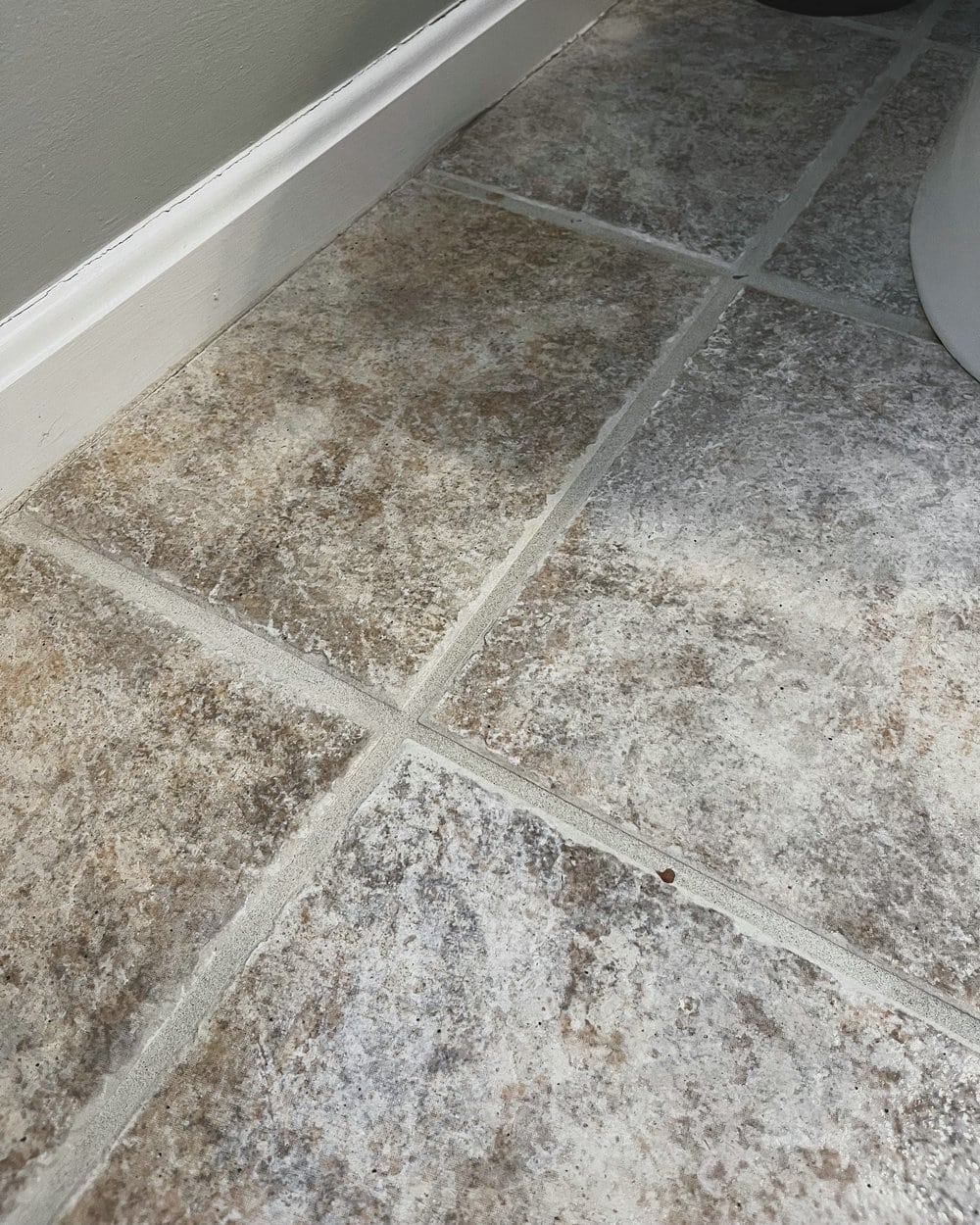
A hidden hero of tile work is surely grout, a mixture of cement sand, and water with standard ratios of all. Its composition determines its function, for instance an unwanted consistency can lead to cracks and lack its ability to protect against water and mold. In addition to its prevention factor, it also provides stability to tiles enhancing their durability and making them crack-proof. It supports the entire built structure by providing support to the tile floor and edging.
Forms of Grout
Depending on a variety of atmospheric factors such as humidity, heat, sunlight exposure, and air pressure can assist you select the grout type accordingly. Here are different types of grouts and their description.
Epoxy Grout
This type of grout is great for absorbing moisture and stain-proofing with its high strength factor which keeps it in place in high-traffic wet areas, like kitchens and bathrooms. It is non-porous which makes it extra efficient in moisture shielding.
Cementitious Grout
With its flexible and versatile nature, it suits a lot of areas be it commercial or residential.
Sanded Grout
This type of grout mixture is rough in texture as it has larger particles of sand. It suits places with wider spacers between tiles. Application on floors is highly recommended due to its resistance to shrinkage.
Unsanded Grout
Unsanded grout is comparatively smoother in texture than sanded grout making it suitable for narrower tile patterns. Backsplashes and countertops are ideal choices for its application.
Polymer-Modified Grout
This type of grout is infused with latex polymers which enhance its durability making it more flexible. It is applied in areas where extra strength and resistance is needed typically in high-traffic areas like the bathroom floor and the kitchen floor.
Furan Grouts
This grout is highly resistant to water and harsh chemicals, typically used in industrial areas.
Choosing the Right Grout
The selection of the grout depends on overall aesthetic and atmospheric factors. The areas with suitable grout filling are as follows:
Wide Grout Joints
Wider spacing tile patterns look best with sanded grouts as it has a visible texture that complements the wide aesthetic of tile surfaces. In addition to this, it holds advanced resistance to shrinkage increasing the tile work strength.
Narrow Grout Joints
Unsanded grout is comparatively smooth as it doesn’t have sand particles which makes it suitable for narrow spaces as it fills them evenly and properly.
High Moisture Areas
Non-porous grout filling like epoxy grouting is ideal for such places as it holds strong defensive factories against moisture. It also prevents discoloration and maintains the desired aesthetics.
High Traffic Areas
In areas where higher durability is required, polymer and furan grout are preferred.
The Role of Grout in Tile Work
Grout filling offers a timeless beauty to the tilework with exquisite workmanship creating the best money can buy. The role of the grout is not merely restricted to aesthetics but efficiently functions as well. It provides stability being the stress absorber itself. It acts as a cushion for the tiles and locks their edges in place creating a crack-free environment for them. Its aesthetic contribution and utmost protection are two main roles that result in a desired durable outcome.
The Importance of Sealing Grout

Dive into the universe of grout sealing significance where we will guide you from beginning to end in handling grout and its application to make you a pro.
Moisture Resistance and Stain Protection
The major role of grout sealing is its cutting-edge ability to shield and prevent moisture. Sealing the grout is compulsory in areas with high traffic such as kitchens and bathrooms where water exposure is abundant. A lot of times it has been seen that the grout is stained due to various outer influences or activation of any chemical within caused by any change in the atmosphere for instance increase in humidity. Sealing the grout prevents discoloration making its aesthetic appeal exactly like before. Mold and mildew formation are quite common in areas exposed to moisture for a long time. sealing the grout ensures no mold formation.
Lifespan Extension and Less Maintenance
As the sealing reduces stain risk and other concerns it takes less maintenance. Water contact with new tiles results in tile breaking weakening the corners which is not attractive to look at and breaks the overall cohesion of new tile, inviting moisture and mold formation. By strengthening the tilework through grout sealing entire efficiency is improved making it long-term durable and increasing its structural integrity.
When to Seal Grout? What Is the Right Time to Do It?
It is vital to identify the right time for grout sealing as it holds great significance in assuring optimal outcomes. It takes 48 to 72 hours for grout to properly cure before the application of sealant. The right time determination allows perfect binding between grout and sealant. Rushing the sealing spread on top of uncured grout can lead to moisture trapping, which defeats the whole purpose of sealant. Rome wasn’t built in a day, so being patient is a virtue for the finest upshots.
Post-Installation Sealing
Let the grout dry properly first which takes approx. 48 to 72 hours and then go on with the sealing application. Within this period avoid any contact with water and dirt which may affect the adhesion power of the sealant. Cover the area providing it with an adequate amount of sunlight and ventilation under the manufacturer’s instructions. A thin layer of sealant is applied after the duration of the grout. You can apply multiple layers of sealant as required to require sealing further.
Maintenance Sealing
Vigilance and regular keeping check of sealing tile any signs of discoloration or bubble formation that may appear due to any trapped air are highly recommended which can lead to cracks and mold accumulation. A professional’s guideline can lead to a beneficial outcome. If sealing expands after drying or you notice any bumps and lumps, sand the surface for a smooth blended exterior.
How to Tell If Your Grout Needs Sealing
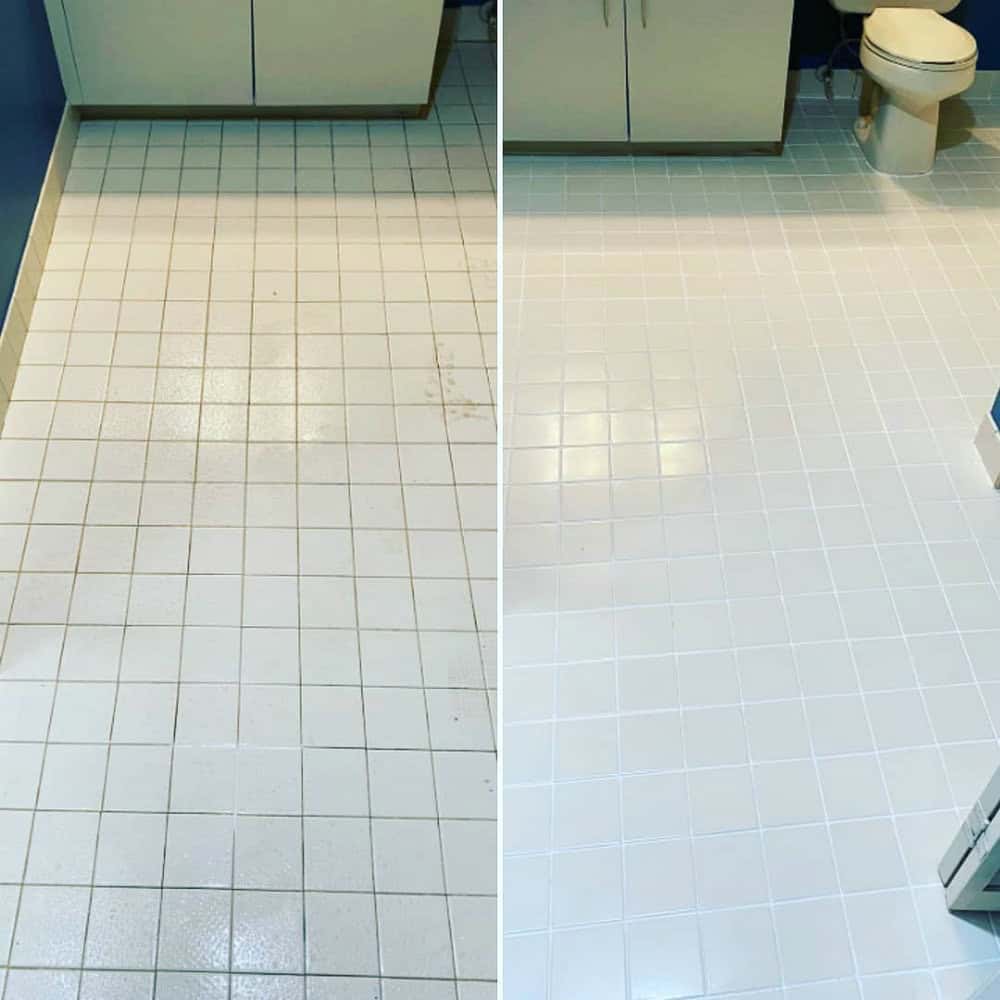
There are numerous conducts to tell but the most dependable ones that can be effortlessly performed by homeowners as well are the water drop test and visual inspection clues. Whether needed or not it is better to apply sealant on the grout for extra care and risk reduction for any damage. let’s take you on the exhaustive process of both steadfast tests.
The Water Drop Test
The tried-and-true water drop test is surely simple and reliable. Dispense a few drops of water onto the grout filling. If the water on top of the unsealed grout beads up, it shows the grout mixture counterattacking water which denotes effectual working and doesn’t need additional protection. If the water is absorbed and casts a shadow on the sealed grout from where water drops were poured it indicates to reseal the grout as it isn’t functioning fittingly. Not upholding the alarms can lead to discoloration and moisture absorption which leads to damage and can cost a pretty penny.
Visual Inspection Clues
If any cracking or flaking appears on top of the grout line, this is a sign for you to overhaul the grout filling. The formation of stains and spots on several areas on grout lines is also an alarming beep-beep to replace your grout. Darkening of the grout when wet is a major warning for revamping the grout.
Choosing the Right Grout Sealer for Your Tiles
If you hesitate to choose the right sealer for your premium tiles work which outperforms the competition, we have you covered with our trailblazing ideas and accurate data that meets the eye. Depending on your choice of liking and required outcome, two sealers and their functions are listed below.
Penetrating Sealer vs Surface Sealer
This sealer infiltrates the grout mixture and fortifies it from within. They offer core defense and permit the material to breathe. It adds a rough-hewn beauty to the grouting making it super natural without the appearance of an additional shiny film on top. If the tilework is matte then your right-hand comrade will be penetrating sealer which will complement the entire matte artistic vibe. On the contrary, surface sealers sit on top of the grout acting as a protective shield. It is a detached layer of protection for the grout adding sheen to the surface. Furthermore, chances of slithering on it when wet are increased with this sort of sealer used on flooring and may cause discoloration over time.
Matching Sealer to the Tiles
Nowadays aesthetics with functionality is all in the air and its demand has exceeded a lot more than usual. Matching the sealer to the tikes is not merely necessary for aesthetic visuals but also its durability according to the area it is installed on matters.
Outdoor Tiles
Outdoor tiles face the sun directly so the surface sealer shows a lot more which does not appear attractive. Moreover, extra strength and durability are required on the exterior and what else suits more than penetrating sealers?
Indoor Tiles
Internal tile work especially in high-traffic areas like bathrooms and kitchens needs a barrier as it is exposed to water more than the outer tiles.
Step-by-Step Guide to Sealing Grout
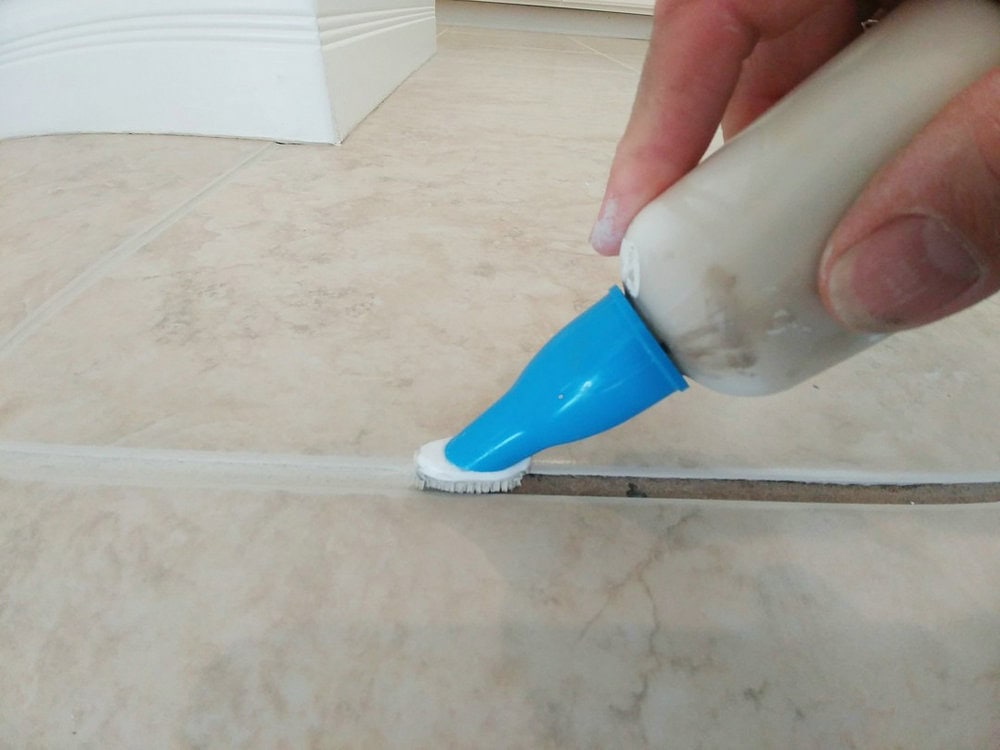
After extensive details on the significance of sealant’s role and when to apply it on grout-sealed surfaces, let’s discuss some tips and tricks with minor specifications on preparation, application, and post-care of grout sealing.
Preparing the Grout Lines
Thorough cleaning with a toothbrush using a cleansing soap wash or vinegar and soda mix to wash the debris and crevices. Make sure to wipe off all the dirt and grease. After washing, dry the wet area for about 45 minutes minimum to prevent a moist surface before applying.
Application of Sealant
To spread the sealer like a pro, begin with a thin and even layer of sealant with tools like a brush, sponge, or roller. After 10 to 15 minutes remove the excess sealant with a damp cloth for uniform flat distribution. Repeat the steps 2 to 3 times as per your requirement for optimum protected grout.
Post-care and Maintenance
A consistent daily cleaning is recommended for longevity or 3 times a week at least is extremely favored.
Evade contact with any harsh chemicals or in case of any spillage wipe it off instantly.
Read and follow the manufacturer’s directions prudently with precise measurements and steps.
Replace the sealant or the grout as prescribed by an expert of the manufacturer’s guidelines.
Mistakes to Avoid When Sealing Grout
To err is human and unintentional mistakes are portals of discovery. Sometimes mistakes happen with the application or drying of grout sealant. Too much application results in lumps and bumps and when cured it may appear uneven which is not aesthetic to look at. A misstep of choosing the wrong sealer in an unsuitable environment is seen in many cases. We embrace you like an old friend with our professional training to avoid such mistakes and mistakes.
Drying Process
First thing first, be patient with the grout drying process. After 100% surety of complete curation of grout is time to apply sealant on top. Otherwise, moisture gets trapped inside which with time results in damaged tilework leading to mold and mildew formation.
The composition of grout filling should be according to the company instructions. Incorporate standard ratios for best results with the directions of the drying process and provide adequate surroundings to absorb moisture in the specific area.
The consequences of rushing the entire process lead to flaking and cracking of grout filling which overthrows its whole purpose.
Wrong Sealer
Matching Sealer compatibility with the specific grout type is extremely important as it prevents peeling, staining, and powdery or cloudy appearance when dried.
The material of the sealer should complement the tile material in aesthetics as well as in bonding. The sealer type should preserve all the existing elements of the tile, for instance a natural stone tile should illustrate its porous nature.
The wrong choice of sealer can ruin the entire appearance leaving stains and discoloration in grout lines. In addition to this, a wrong sealant does not adhere to specific types of grouts which leads to damage over time.
Applying Too Much Sealant
Overdoing and excessive use of sealant appear uneven with dissimilar drying times. Wipe off the excess application with a cloth to flatten the layer.
Skipping Regular Maintenance
Laziness in cleaning rituals can reduce the lifetime. To maintain its appearance and durability opt for pH-neutral cleansers or vinegar soda solution. If you notice any damage or flaking, replace it with fresh grout and sealer.
Professional Grout Sealing Services
Homeowners prefer DIY projects but sometimes calling an expert is for the best. It is beneficial for both as professionals save you some time and have more expertise and experience. Here are some advantages of using professional grout services.
Benefits of Professional Application
Certified Installers
Trained professionals have optimal techniques with expansive knowledge and exquisite craftsmanship. It reduces the risks of mistakes, so it is an investment for excellence.
Quality Workmanship
Professionals assure you of exclusive installation following the standard guidelines with precision. Many professional services offer you guarantees and warranties which make them a lot more reliable.
Time-Saving
Experts do the job in a flash which saves you plenty of time and relieves your stress. Their enthusiasm delivers a hassle-free experience which we all need.
Long-Lasting Result
As the professionals have more grip on this field, the outcome is more long-lasting.
Proper Tools
Seeking the help of an expert is the best choice one can make as they have their equipment and you don’t have to stress about buying and handling them.
High Quality
They survey for the finest quality of sealant and know what is best for you.
Homework
With the best research and referrals, you can hire a trustworthy contractor with verified credentials.
A major stress relieving fact is attained by hiring a trustworthy expert for the ideal flawless installations. Their skills speak for themselves and expert workmanship ensures utmost protection with maximum lifetime. By minimizing the risk and errors seeking professional help is beneficial and efficient than doing it yourself.
Finding a Reputable Tile Contractor
Finding a trustworthy and reliable tile installation contractor is a rare gem! The contractor must have these factors:
- License
- Certification
- Insurance
- Affiliations from a known association like NTCA
- Experience record
- Customer reviews and rating
- Referrals
Summary
Grout sealing is not merely a process, it’s a challenging odyssey with ups and downs. Firstly, understand the objective of sealants which is more of an investment for long-term durability and pleasing aesthetics. The right type of sealer applied with a steady hand after patiently waiting for the clean grout tile surface from beneath to dry properly is the key to a successful outcome. The maintenance is equally a vital step as any other. You can glorify it more with the consultation and assistance of a professional who leaves you stress-free and ensures the finest tilework.
FAQs
How Often Should I Reseal My Grout?
Factors like long-term exposure to moisture or high-traffic areas like the kitchen and bathrooms require constant checking and reselling if damage appears. Low-traffic areas typically are more durable and require less maintenance. If you notice any peeling or staining, conduct the water drop test for more surety of resealing.
Can I Apply Grout Sealer Immediately After Grouting?
One of the common mistakes is the lack of patience for the curation of grout before sealing it. Grout needs to be fully dry, only then multiple layers of sealant can be applied on top of cement-based grout as chances of moisture trapping are increased with uncured grout filling. Grout takes 48 to 72 hours to set completely which is then ready for sealer application.
Is there a Difference Between Sealing Grout for Ceramic and Porcelain Tiles?
Grout filling and sealant should be compatible and match each other’s specific properties. Ceramic and porcelain tiles are both non-porous so technically the same type of grout stain sealer can be applied mutually. Furthermore, mismatched sealer and grout do not adhere resulting in weakening and cracking with an invitation to moisture, stains, and mold.
How Can I Tell If My Grout Sealer Is Still Effective?
If there is visually detectable staining or discolorations throughout the grout lines, it’s an alarm of malfunctioning of the grout cleaner or the sealer. To clear the doubts, conduct the water drop test. Pour a few drops of water on the grout surface and notice any darkening. If the area darkens or the water is absorbed in it then it is surely not effective anymore.
Should I Hire a Professional to Seal My Grout or Can I Do It Myself?
If you are confident and have time in hand, surely go for DIY. Whereas professional assistance and hiring save time and relieve stress. It’s more like an investment as experts can ensure deal installation with tried and true is and tricks.
Facebook
Twitter
LinkedIn
Pinterest
Author
Diane Hammer
Diane Hammer is the Digital Marketing Manager at tileday.com, a premier platform for tiles, renovation, and home decor solutions. Digital marketing is Diane’s passion. With her finger on the pulse of industry trends, she will propel tileday to new heights.

Related Posts
Is it always obligatory to take off the previous grout before smearing a fresh batch? If handled with extra care and follow the step precisely you can regrout on an
Table of Contents Paint a picture of a harmonious blend of kitchen tiles with other elements, that sets the world apart with its unparalleled charm. Especially, when you come across

Table of Contents The cost to remove tile flooring depends on several key factors but it usually costs between $3.25 and $6.5. This article will explain all the aspects that
Table of Contents Fret not with any concerns of time wait! We have covered you with exhaustive information on how long before you can walk on tile. The universal decree

Your favorite floor tiles may fade away over time. The instant and economical solution to this problem is the installation of LVP over floor tiles. Do not overthink the challenge.
Have you ever thought of effectively tiling over wall tiles in a bathroom? You can do it with the utmost perfection by following simple guidelines. Key Takeaways You can lay
Home renovation is an interesting task. It sounds good to renovate your home according to the latest trend. Herringbone tiles are overwhelming the renovation trend for homes. The charismatic view
Recent Posts
Photo credit: prestigewashrooms Welcome dark theme lovers and be inspired by dark bathroom floor tile ideas. The shiny blackish-gray wall gives the space a bold and refined appearance. It perfectly

Photo credit: co_architecture_au Look at this stunning picture of a bathroom with a walk-in tub and imagine the spa-like retreat you will get in this space. Also, the huge window
Photo credit: marble.interior Be ready to enhance your small bathroom’s appeal with black-and-white decor ideas. This small bathroom walk-in shower looks stunning with the black framed door. Add a built-in
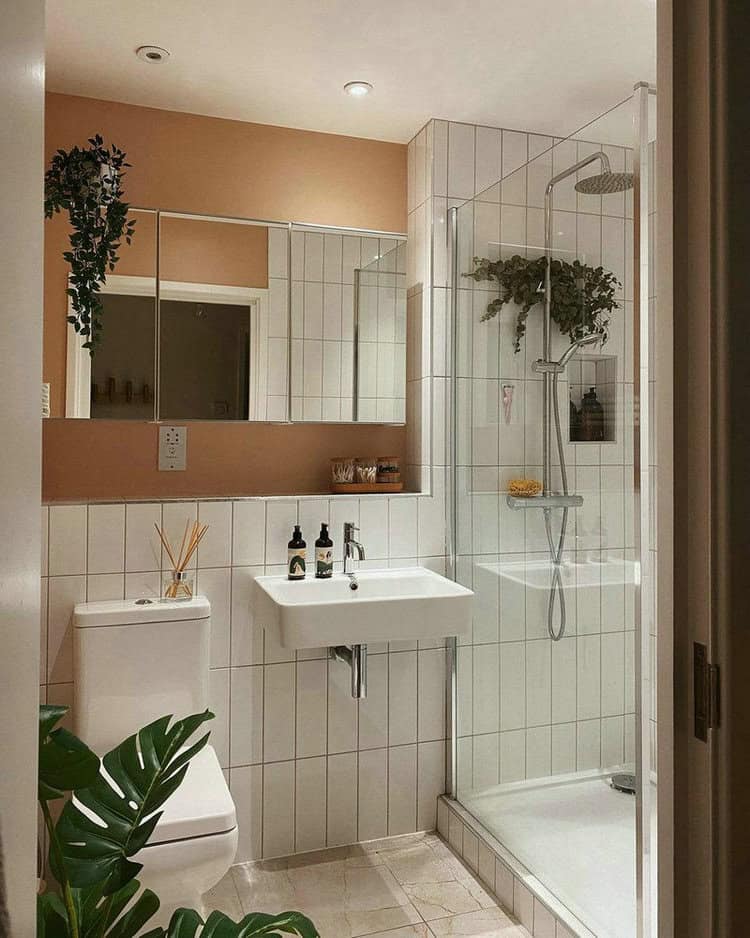
Photo credit: bintabuheh In this bathroom, the light shade color of the wall looks appealing and gives the space a calming ambiance. The vertical stack tiles perfectly complement the white

The stacked tile pattern has been a favorite with the designers and homeowners for so long. A stacked tile pattern offers a wonderful aesthetic that transforms a dull space into
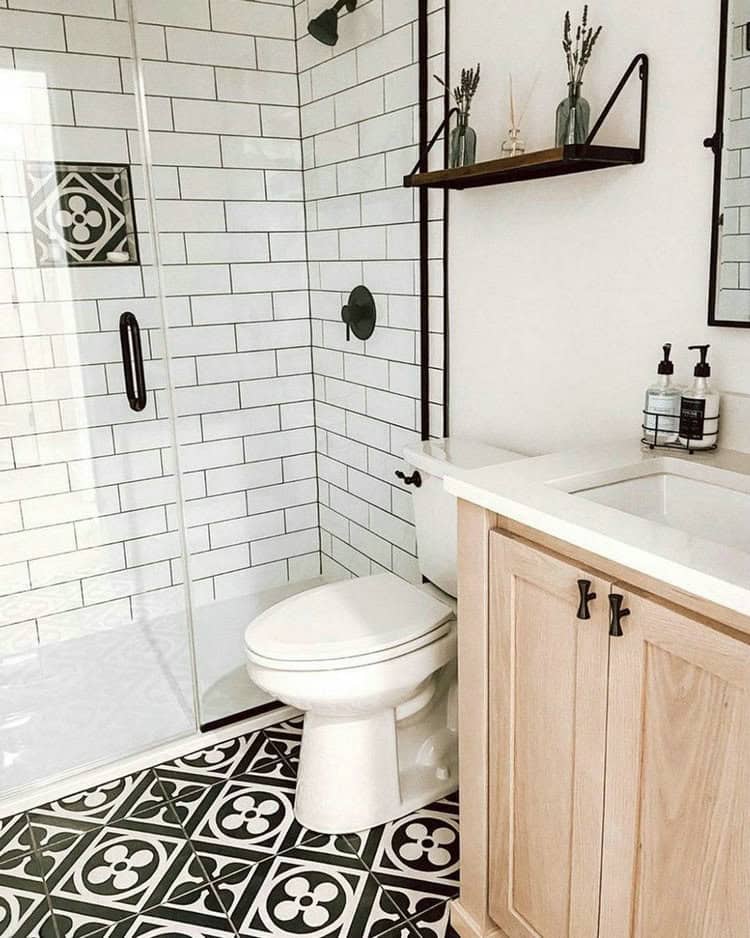
Photo credit: buildwithferguson Don’t know how to add a shower to a small half-bath? Here’s a step-by-step guide. First, do careful planning before adding a shower. Go for a compact
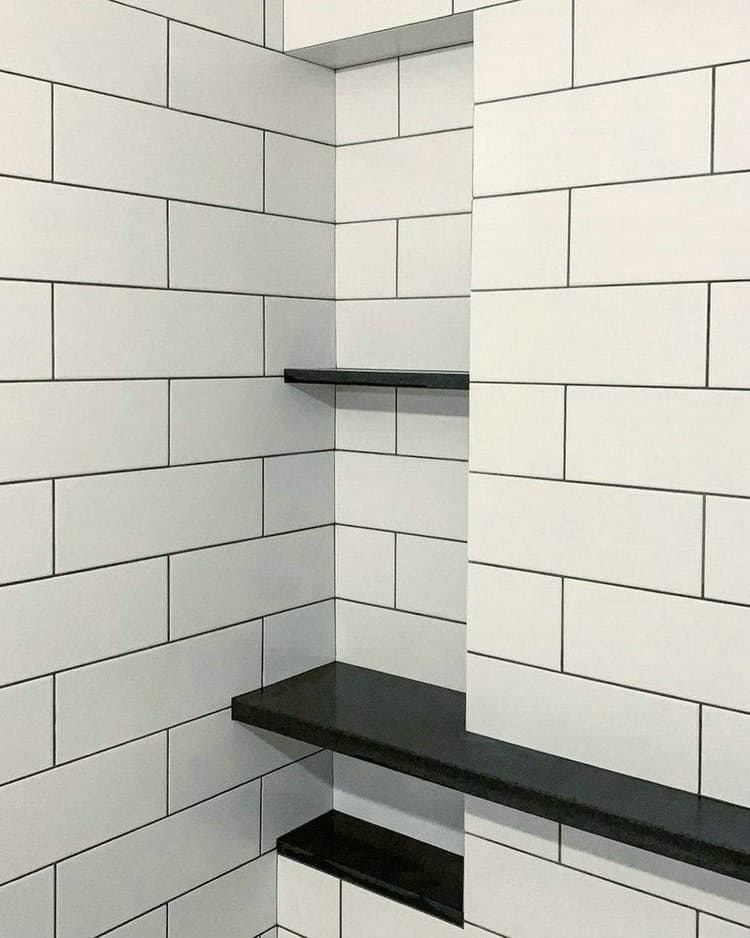
Photo credit: warmyourfloor Welcome the sense of simplicity with black and white tiles. Clean, glossy white tiles with dark grout simply create a beautiful impact. The built-in shower shelf idea
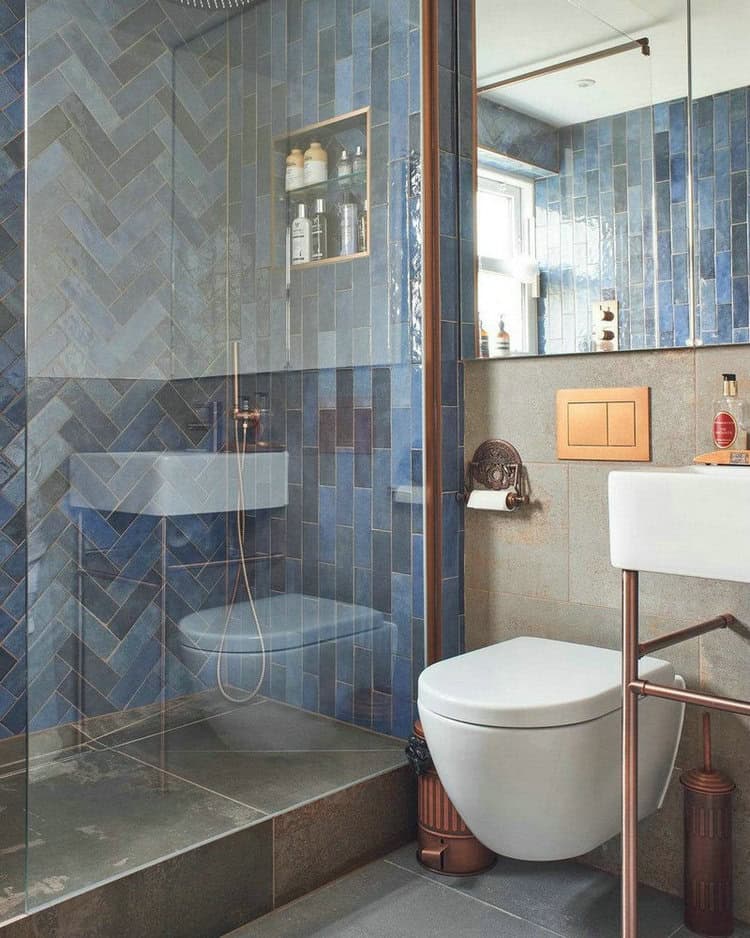
Photo credit: big_bathroom_shop For your boring shower areas, use soothing blue tones for walls. This wall idea gives a relaxing and calming ambiance as well as a touch of elegance