
Revamp Your Space: Can You Tile Over Wall Tiles in a Bathroom Effectively

- Diane Hammer
- Updated on: July 30, 2025
Facebook
Twitter
LinkedIn
Pinterest
Have you ever thought of effectively tiling over wall tiles in a bathroom? You can do it with the utmost perfection by following simple guidelines.
Key Takeaways
- You can lay tiles over wall tiles in a bathroom to make your renovation projects cost-effective. Laying tile over the existing tiles helps you in revamping your bathroom with less expenditure, time, and hard work. Some considerations are important to take into account when you intend to do this project.
- First, closely observe the existing tiles for any evidence of minor and major damages.
- Next, you need to prepare the existing tiles as a firm base for laying new tiles. Lastly, you must use a good-quality adhesive to bind the new tiles to the existing tiles.
Do the steps sound complicated? No, they are so simple and easy. Here is a complete and comprehensive guide to help you learn how you can perfectly tile over wall tiles in a bathroom. You will have a good understanding of each essential step to complete your revamping task flawlessly. So, why wait any longer? Let us start the amusing process with chunks of necessary information:
Advantages and Disadvantages of Tiling over Existing Tiles
Each process has its pros and cons. Here are important advantages and disadvantages of tiling over existing tiles:
Advantages
The most significant advantage of laying new tiles over old wall tiles is that it saves a lot of time and money. You do not need to hire labor to remove old tiles.
Tiling over the existing tiles is helpful in reducing the clutter to the minimum level. If you decide to remove old tiles, you will have to dispose of tons of clutter that is labor-intensified and time-consuming.
Laying new tiles over the old wall tiles makes the bathroom wall soundproof, and you can enjoy an added amount of insulation.
The tiling over the old tiles is easier than overhauling the whole bathroom wall tiles. You can do it as a DIY project by following essential tips and tricks.
You can transform boring bathroom walls into aesthetically charming walls without demolition and mess.
Disadvantages
Tile over the existing tiles increases the wall thickness. The increased wall thickness can demand trim installation, door adjustments, and fixture adjustments.
You need to be careful while tiling over old wall tiles. The new tiles must be properly aligned with the existing tile order.
Gravity can make the task more difficult as in the absence of good quality tile adhesive; the new tiles will loosen and fall down sooner.
If you decide to tile over the existing tiles, you may come across a limited range of tiles. Not all types of tiles serve a good adhesive bond with other tiles. You must have information about which type of tile material is suitable for tiling over the old tiles.
Evaluating Your Existing Bathroom Wall Tiles
The task of tiling over the existing bathroom wall tiles is not that tough. You just need to learn that the base for new tiles must be perfect and smooth. There are some important steps to evaluate your existing bathroom tiles when laying new tiles. Let us give a detailed view of the evaluation criteria:
Inspect for Damage
First, closely observe the existing wall tiles for any evidence of cracks, chips, or other damage. You must inspect if any tiles are cracked, chipped, or have deep grout lines. All these damages can make your new tile layer weak and look weird. The cracked and chipped tiles will not allow new tiles to stick with new tiles smoothly. You must replace the chipped and cracked tiles if the damage is major.
You must double-check the existing tiles for evidence of moisture. If there is an excess moisture level in the existing tiles, the new tiles may not be fixed properly, and water will damage the new tiles sooner.
Assess Tile Adhesion
Next, access tile adhesion of the old wall tiles. Check thoroughly if all the old tiles are firmly attached to the wall surface. You can access it by tapping on the wall. If you hear a hollow sound, it means that tiles have some gaps between the wall and tile surfaces. Observe and mark the area where you hear a hollow sound. If the area is less than five percent of the total area, you can lay new tiles on them without re-adhesion of old tiles. However, you must reattach old tiles to the wall surface if you find that the tiles are loose and the area of loose tiles is more than five percent of the total wall tile area to ensure a firm base.
Confirm Surface Level
At the last step, you must inspect the surface of old tiles. It must be plain and smooth. You must deeply observe if there are any humps and dips on the surface. You can use a self-leveling compound to smooth the wall surface. The self-leveling compound will fill all types of uneven surface damage, and you will have a flat and flawless base for laying new tiles perfectly.

Preparing for a Successful Overlay
Once you are done with the thorough inspection of the existing tiles, it is time to prepare the old tile surface for a new layer of tiles. Laying new tiles on the existing tile floor or tile wall needs a properly prepared base. The new tile layer will not be stable until you give it a firm base. Here are important steps to prepare a stable and perfect base on the existing tiles for laying new tiles to make your bathroom renovation stand out:
Deep-Clean the Original Tiling
The first step in preparing the firm base is a deep cleansing of the original tiles. Be enthusiastic about getting a clean and clear surface of your old tiling. You can use Trisodium Phosphate, known as T.S.P., for deep cleansing of tile floors or tile walls. Take a brush and a degreaser liquid; rub the original tiles until you witness a clean, clear, and fresh tile surface.
You need to sand the tile surface slightly after proper cleansing. It is necessary to create a moderately rough texture on the surface of the old tiles. Ensure a clean and nicely prepared tile base is used to lay the new tiles to get a successful tile overlay.
Apply the Right Bonding Agent
Well, now, the old tile surface is entirely prepared. It is time to apply for a high-quality bonding agent. You can use a high-quality bonding primer, like ECO Prim Grip. It is the best option to provide the utmost stability to the new tiles. Suppose you are working with ceramic tile; precisely follow the below-given steps for making the application of the bonding agent step flawless:
Use 100-grit sandpaper to roughen the tile surface properly. You must have an appropriately sanded texture to make the adhesion firm.
Next, apply the bonding agent. Strictly follow the instructions of manufacturers in the application process.
Let the bonding agent dry well before laying tiles over it.
The Art of Laying Tiles over Tiles
Well done for preparing the original tile as a flawless base for laying new tiles. The next step works as the most important staircase leading towards a successful tile overlaying. The existing tiles are now all ready to receive a new, elegant look.
Are you getting confused about where you should start tiling? What adhesive will work best for your project? What is the right method to lay a tile over the existing tile? How should you apply grout? No need to worry about these questions. We have answered all these questions in detail to help you learn the best way to lay tile over tiles perfectly. Laying tiles over tiles requires precise and careful planning and application steps, and a calm temperament is needed to use the techniques correctly. Here we go:
Starting with the Right Adhesive
You must choose a high-quality adhesive to lay new tiles over the old floor firmly. The adhesive must share a durable and stable texture so new tiles may stay over old tiles longer. The strong bonding of the new and old tiles will make your bathroom wall tiles look precisely beautiful and cohesive. You can opt for thinset Mortar. It is a favorite with designers and homeowners for its amazing ability to provide a balanced level to uneven tile surfaces, and it wonderfully resists moisture and mold.
Be careful while applying thinset Mortar. You must have the right trowel size according to the size of the tiles to apply an equally adequate layer of thinset Mortar over the tiles. You can use the ‘back butter’ method to apply thinset Mortar to large tiles. In this method, you first apply thinset Mortar on the old tile surface and its thin layer on the backside of the new tile. The back butter method has an extra layer of thinset Mortar to ensure that large tiles are strongly attached to old tiles and do not loosen sooner.
Positioning New Tiles
It is time to lay tile over old tiles precisely. First, choose a starting point. In the case of laying tiles on a bathroom wall, you need to measure the wall first. Measure all the fixtures on the wall to cut tiles accordingly.
Tiling over bathroom wall tiles is a little bit of a tricky task. It would be good to take a wooden baton and fix it horizontally at the below part of the wall or at the intended starting point. Start installing tiles above the baton to ensure a straight tile row. Press the tile over the adhesive firmly and slightly twist it to form a strong bond between the old and new tile. You can use a rubber mallet to press tiles. You must use a level to make tiles stay in a straight row. Start laying tiles from the center and move outwards. Hence, the trimmed tiles will be positioned in the corners to create a seamless, neat tile layout.
You must use a tile spacer to put equal gaps between all tiles. Apply the rule, ’measure twice, cut once,’ to avoid wasting tiles and creating a mess. It would be good to purchase ten percent extra tiles. It will make your tile installation more precise in case of wastage, breakage, or chipping of tiles. Extra tiles will prevent any disorder in the intended design and color scheme.
Grouting for Longevity
Once you are done with laying tiles all over the wall, it is time to apply grout in spaces between tiles to ensure the durability of your new tile wall. Grouting is necessary to make your tiles stable, and at the same time, it adds a neat, aesthetical charm to the wall layout.
Carefully fill grout into all gaps between the tiles. Make sure there is an even quantity in all spaces. Use a wet towel to wipe off extra grout over the tiles. You must follow the instructions on the packaging to complete the grouting flawlessly. Let the grout dry before applying sealant. Apply a high-quality sealant to make grout resist moisture, dirt, and stains.

Addressing the Tile Edge Challenge
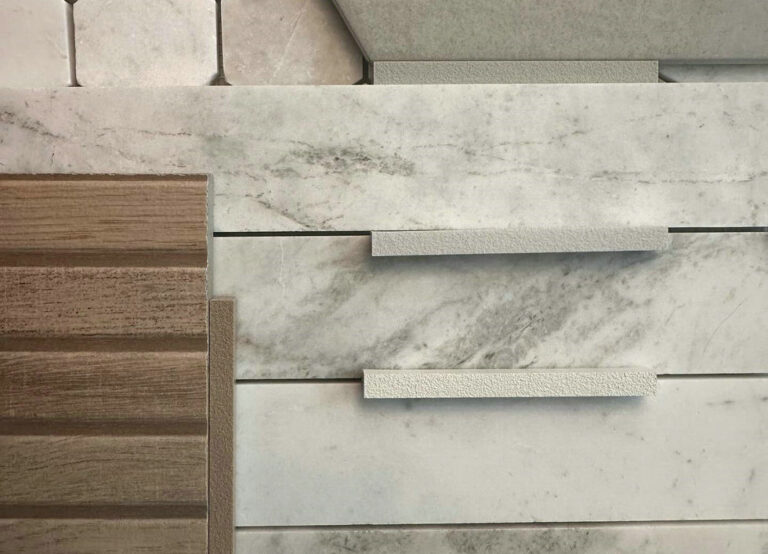
The challenge you face when laying tiles over tiles is adjusting tile edges for a neat look. The joining of new and old tiles makes edges look prominently thick and weird. You must use a right tile edge trim to tackle these weird-looking edges. Pencil trim tiles add a smart, trendy, and neat look to thicker tile edges. You can choose different tile trims according to your bathroom design to add an extra layer of fantasy.
Maximizing Cost Efficiency in Your DIY Project
The most convincing advantage of tiling over the existing tiles is that it is cost-efficient. You can easily do the task by following the above-mentioned instructions whether you are a seasoned DIYer or a new tile installer. You do not need to spend time and money on intensified labor to remove and dispose of tons of old tile clutter. The important point to be considered is that being cost-efficient does not mean that you use weirdly cut and trimmed tiles. It means that you use the available tile resources wisely and precisely. The task of tiling over tiles must result in a cohesive and beautiful tile wall.
Reinforcing Waterproofing Measures
Bathrooms are the areas of your home that come across maximum moisture. Moisture can ruin the charm of your bathroom design by damaging tiles and staining grout lines. You must reinforce waterproof measures to avoid the demolition. Specifically, when you intend tiling over tiling, you must take serious measures to control moisture and mold. You can use taping seams between cement boards, apply a waterproof membrane, and apply proper drying of the entire bathroom after every use. Reinforcement of waterproof measures is necessary to add the utmost durability to your lovely bathroom tiles.
Potential Drawbacks and Considerations
Each new project requires to be tackled wisely to get a successful completion. Laying tiles over current tiles is a task that requires the precise use of various materials and methods. Like every other project, it has its potential drawbacks and challenges. For instance, laying tiles over the existing tiles increases the height of the floor or thickens the wall. You need to adjust door heights, fixture heights and positions, window layouts, etc. However, all these considerations can be easily tackled if you consult a professional before installing new tiles over old tiles
Is Tiling Over Tiles Right for You?
Tiling over tiles shares its pros and cons. You can choose tiling over tiling if you find it feasible according to the current condition of your original tiles. If old tiles are not suffering from major damage, then tiling over the old tiles is good to do for you. You may not spend money and time on demolition. However, if old tiles are damaged enough that you must replace most of them as a flat surface for laying new tiles, then it would be a better option to overhaul your bathroom wall entirely.
You must consider the above-provided detailed information and guidelines to make the right decision about whether it would be right for your bathroom wall to lay new tiles over the tiles or if it would be better to replace all the old tiles.
Frequently Asked Questions
Can I Tile over Existing Bathroom Wall Tiles?
Yes, it is a good decision to lay tile over old tiles. However, you must take some consideration into account. First, old tiles are not damaged or cracked entirely. The existing tiles are in perfect condition to provide a stable and firm base for new tiles. Second, old tiles are still strongly attached to the wall. Third, the existing tiles are free of mold and moisture.
What Is the Best Adhesive to Use for Tiling over Existing Tiles?
You can use various adhesives for your tiling task. However, thinset Mortar is the best choice. It allows the leveling of the slightly uneven surface defects. It is resistant to moisture and mold. Thinset Mortar provides a durable adhesion between the new and old tiles.
How Do I Prepare My Existing Tiles for the Overlay?
Preparation of the existing tiles for the overlay consists of a few steps. First, deep cleanse the entire tile surface. Then, sand it slightly to form an appropriate base for applying the bonding agent. Last, a good-quality bonding agent must be applied to ensure a firm adhesion between the existing tiles and the new tiles.
What are the Potential Pitfalls of Tiling over Existing Tiles?
You may come across some underlying structural issues when laying tiles over existing tiles. Laying tiles over the existing tiles increases the height of the new floor or thickens the wall. You need to adjust door heights, fixture heights and positions, window layouts, etc. However, all these considerations can be easily tackled if you consult a professional before installing new tiles over old tiles.
Facebook
Twitter
LinkedIn
Pinterest
Author
Diane Hammer
Diane Hammer is the Digital Marketing Manager at tileday.com, a premier platform for tiles, renovation, and home decor solutions. Digital marketing is Diane’s passion. With her finger on the pulse of industry trends, she will propel tileday to new heights.

Related Posts
Is it always obligatory to take off the previous grout before smearing a fresh batch? If handled with extra care and follow the step precisely you can regrout on an
Table of Contents Paint a picture of a harmonious blend of kitchen tiles with other elements, that sets the world apart with its unparalleled charm. Especially, when you come across
A stitch in time saves nine, this saying syncs perfectly with the significance of grout sealing. Many homeowners have similar questions: do you need to seal grout? Grout tile sealer

Table of Contents The cost to remove tile flooring depends on several key factors but it usually costs between $3.25 and $6.5. This article will explain all the aspects that
Table of Contents Fret not with any concerns of time wait! We have covered you with exhaustive information on how long before you can walk on tile. The universal decree
Your favorite floor tiles may fade away over time. The instant and economical solution to this problem is the installation of LVP over floor tiles. Do not overthink the challenge.
Home renovation is an interesting task. It sounds good to renovate your home according to the latest trend. Herringbone tiles are overwhelming the renovation trend for homes. The charismatic view
Recent Posts
Photo credit: prestigewashrooms Welcome dark theme lovers and be inspired by dark bathroom floor tile ideas. The shiny blackish-gray wall gives the space a bold and refined appearance. It perfectly
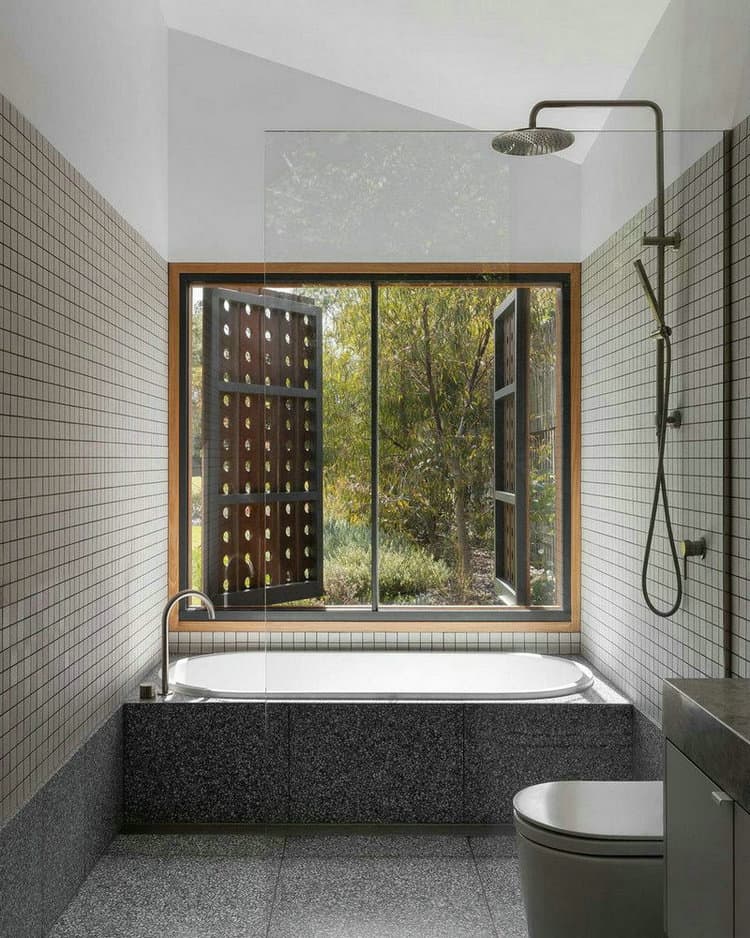
Photo credit: co_architecture_au Look at this stunning picture of a bathroom with a walk-in tub and imagine the spa-like retreat you will get in this space. Also, the huge window
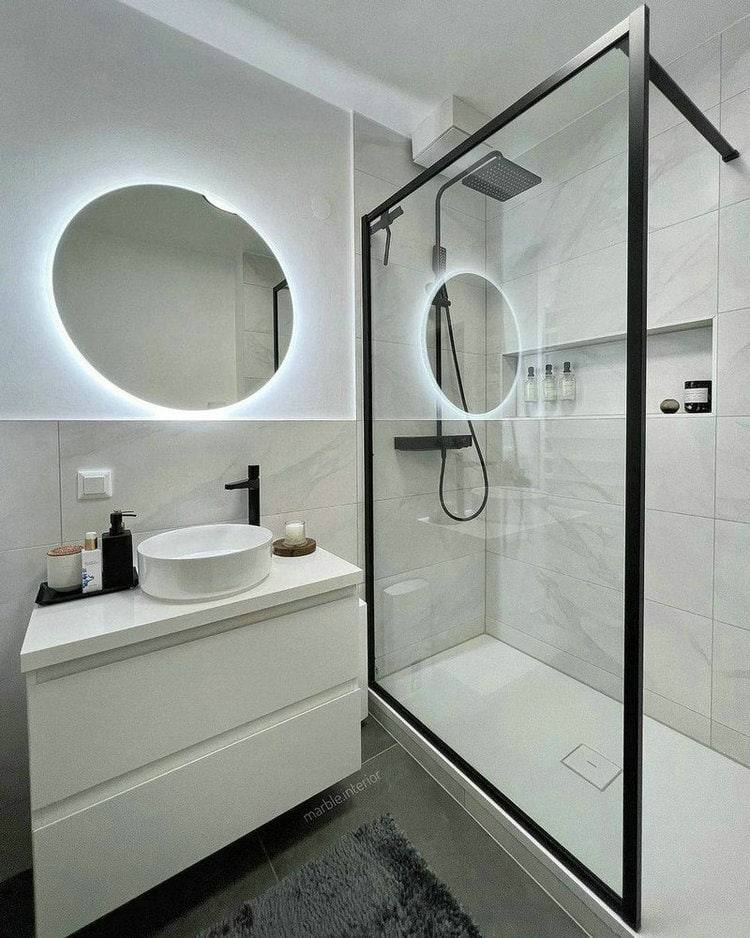
Photo credit: marble.interior Be ready to enhance your small bathroom’s appeal with black-and-white decor ideas. This small bathroom walk-in shower looks stunning with the black framed door. Add a built-in
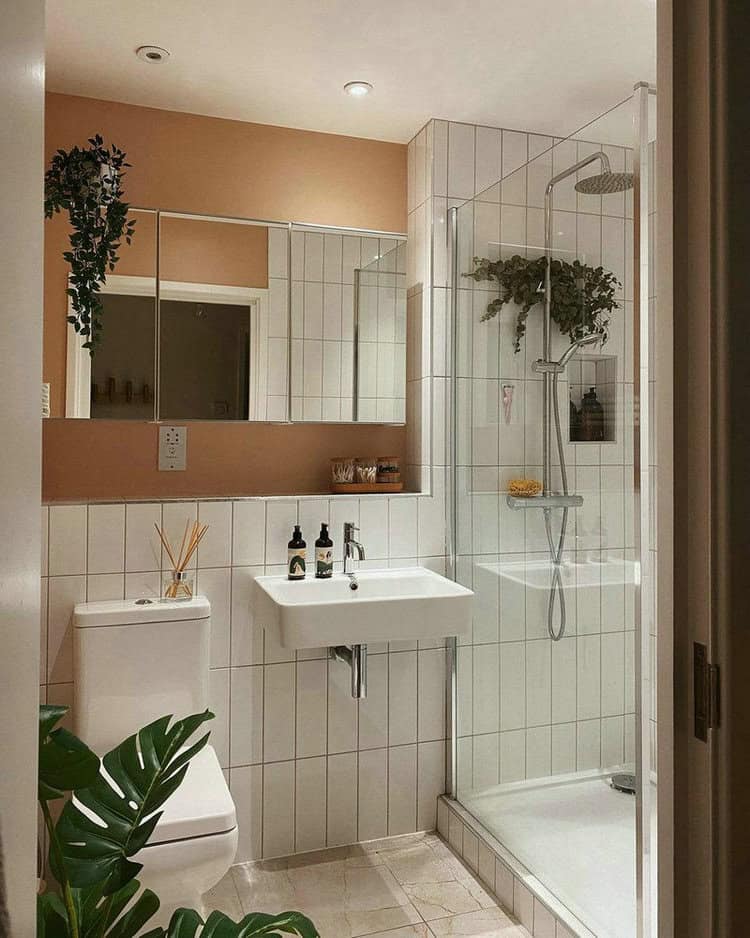
Photo credit: bintabuheh In this bathroom, the light shade color of the wall looks appealing and gives the space a calming ambiance. The vertical stack tiles perfectly complement the white

The stacked tile pattern has been a favorite with the designers and homeowners for so long. A stacked tile pattern offers a wonderful aesthetic that transforms a dull space into
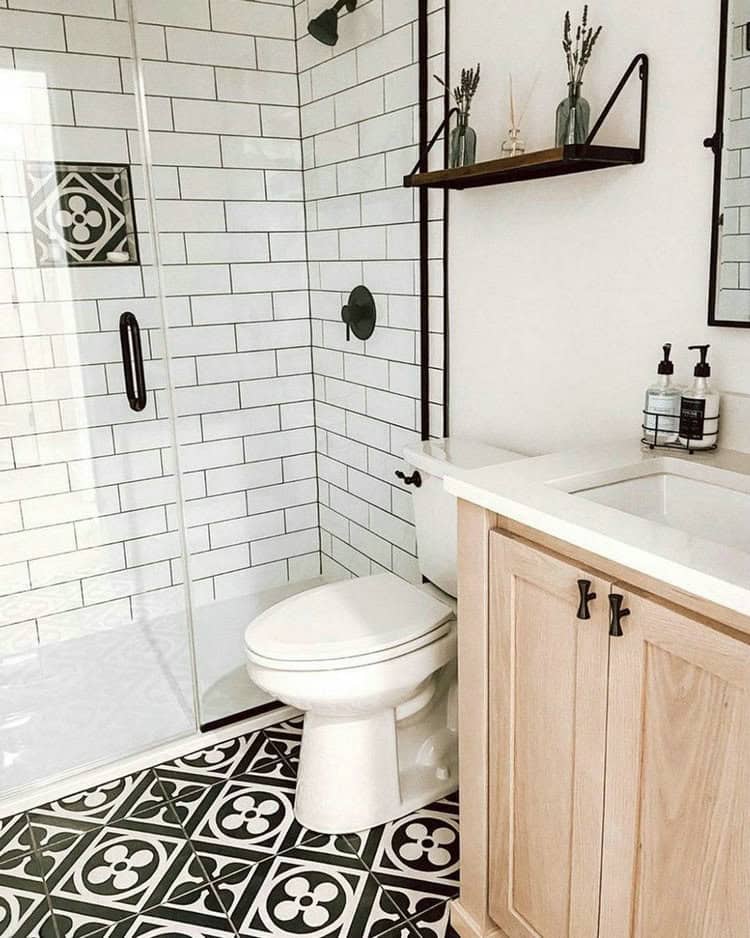
Photo credit: buildwithferguson Don’t know how to add a shower to a small half-bath? Here’s a step-by-step guide. First, do careful planning before adding a shower. Go for a compact
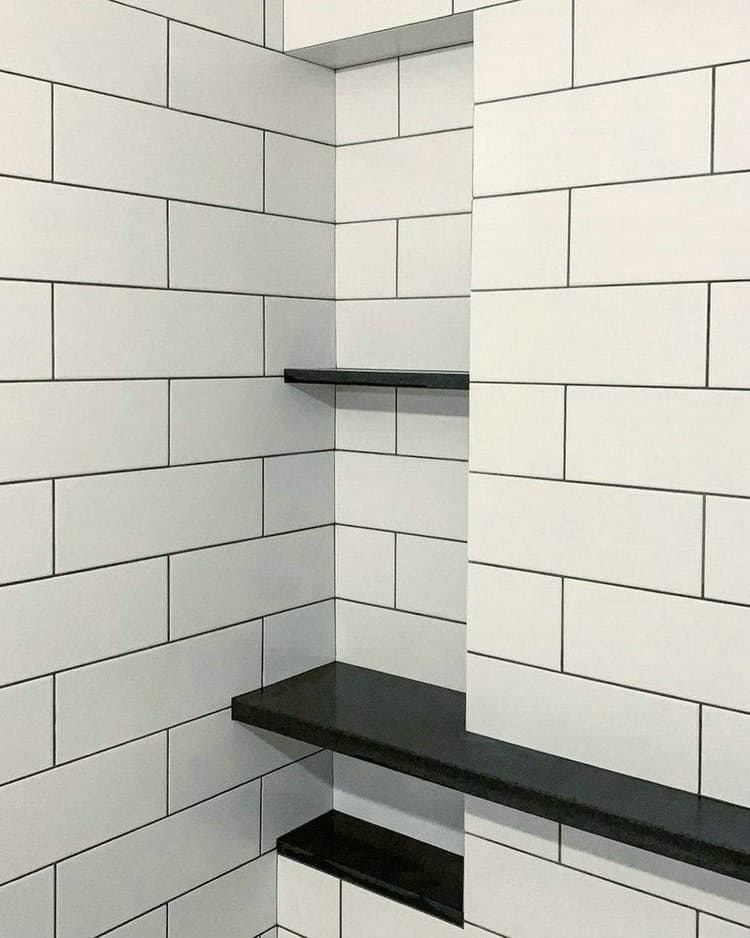
Photo credit: warmyourfloor Welcome the sense of simplicity with black and white tiles. Clean, glossy white tiles with dark grout simply create a beautiful impact. The built-in shower shelf idea
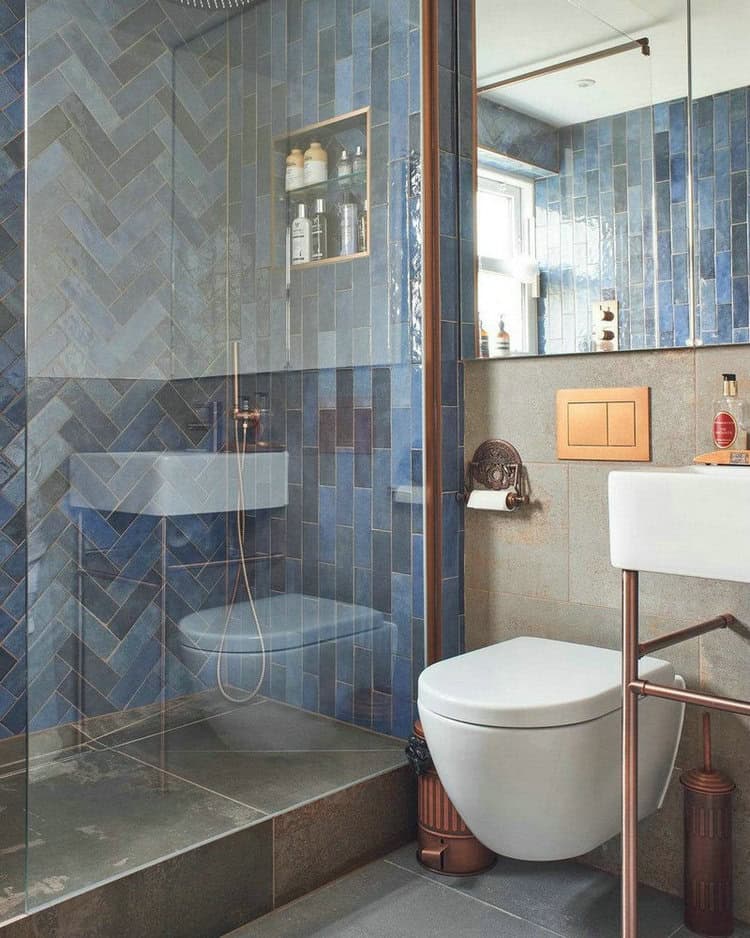
Photo credit: big_bathroom_shop For your boring shower areas, use soothing blue tones for walls. This wall idea gives a relaxing and calming ambiance as well as a touch of elegance